Doctor Gundry Reviews
Review of Dr Steven Gundry Diet, Plant Paradox Plan & Food List
Affiliate Disclosure: This page contains affiliate links to Gundry MD products. If you purchase through them, I may earn a commission at no extra cost to you.
My weight loss from the Dr Gundry Breakfast
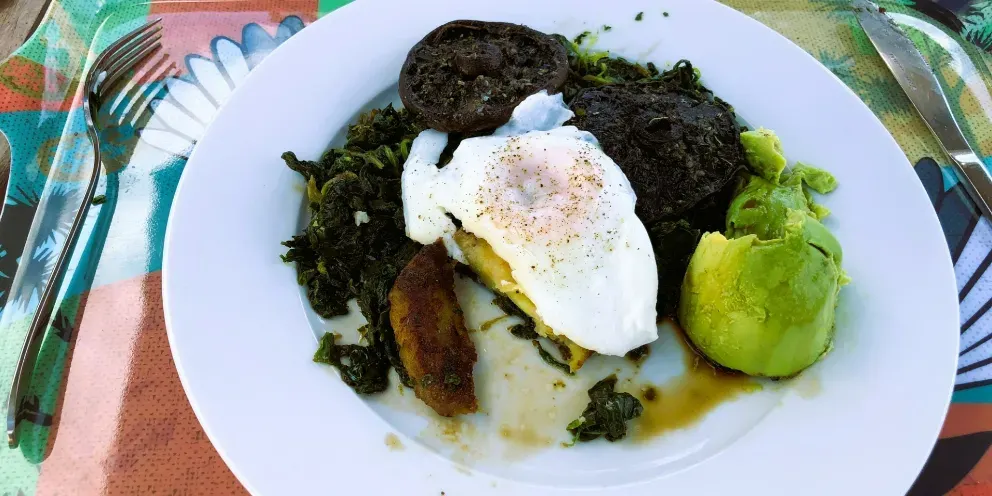
Let me start by clarifying that I do not have a chronic illness that necessitates prescription medication to manage symptoms. I am a self-employed man in my early seventies, with three children and seven grandchildren. I understand the importance of maintaining a healthy diet and exercising to enjoy life.
Before I was introduced to the teachings and books of Dr. Gundry, I followed a diet that included a high intake of fruits, vegetables, whole grains, and proteins from nuts, fish, poultry, and red meat. I avoided animal fats and sugar, believing this approach to be the conventional wisdom for a healthy diet, which emphasized the importance of fruits, vegetables, and grains.
I enjoyed my diet, but I was overweight, not quite obese, yet unable to see my feet when I looked down, which motivated me to lose some pounds. I had chalked it up to genetics and hadn't actively sought a solution.
Everything changed when my wife shared an intriguing video on gut health from an American doctor. His authoritative insights into our microbiome and tomatoes' lectins resonated with me, prompting me to learn more.
I realized I needed to swap my usual breakfast of cereal, fruit, and yogurt for Dr Steven Gundry's recommendations. Eager to transform my health, I delved into Dr Gundry's books, ready to embark on a new journey.
Dr Gundry Credentials - Medical Clinician, Researcher & Former Professor.


Surgical Residency and Medical Researcher at the University of Michigan.
Heart surgeon and the writer of more papers than any previous resident. He used his love of research and intimate knowledge of heart surgery to create lasting innovations, pioneer transplant robotics, and hold patents on numerous medical devices.

Professor of Surgery and Pediatrics plus Chairman and Head of Cardio-thoracic Surgery for 16 years at Loma Linda School of Medicine.
With a colleague performed more pediatric and infant heart transplants than anyone else in the world. Has performed operations in more than 30 countries including charitable missions.
Reversing Disease Through Nutrition - Dr Gundry Method
As a doctor, he was sure he knew everything about “healthy.”
During 2001 Doctor Gundry met "Big Ed."
“Big Ed" got his name for a reason. He was a burly motorcycle man…someone you definitely wouldn’t want to mess with! Ed's angiogram had one of the most severe heart blockages he’d ever seen something so bad that no other cardiologists in the country wanted to operate. He felt the same — the risks were too great, and he had to break the news to Ed.
Ed plopped a big bag of vitamins down on his desk, stated he had lost 45LBS from eating a range of exotic foods and was certain his heart scan would look different. While being impressed at the weight loss, he was still overweight at 260 lbs.
He really didn’t want to disappoint Ed, but years of medical school had taught him that vitamins simply didn’t work. The Doc was an anti-supplement guy. (In fact, he always said they just made expensive urine.) Ed was very persuasive and convinced him to conduct a new angiogram.
Well, he was blown away. In 6 months, Ed's heart blockages had shrunk by 50%. He had never seen anything like it. His arteries had some room to work with. Later that week, he was able to give Big Ed his quintuple bypass surgery.
Still not understanding how losing some weight plus taking supplements could make such a difference in 6 months, he put his medical researcher hat on and examined the supplements Ed had brought in.
Many were junk and not doing anything at all, but some of them contained powerful nutrients called phytochemicals and were similar to expensive drugs he used in heart surgery to keep heart cells from dying.
He discovered that Ed's turnaround was no fluke and that some ingredients got life-changing results in real clinical trials. More importantly, they achieved results without the side effects found in pharmaceutical drugs.
Within 6 months of Ed's lifesaving surgery, this breakthrough discovery led him to leave his senior positions at Loma Linda abruptly and found his own practice at the International Heart & Lung Institute. He learned which nutrients were deficient in the American Diet and which widely regarded "staple" foods were, in fact, toxic to the human body.
He discovered a super-powerful nutrient that he now recommends ALL his patients take daily. It became the cornerstone of his best-selling formula...Vital Reds.
He began treating patients with this new dietary philosophy and saw transformative results. His work of reversing disease through nutrition continues today, and he has a 6-month waiting list at his practice in Palm Springs, California.
A Dr Gundry Healthy Gut - Why is it So Important?
There have been major advances in medical research in the field of nutritional science. Essentially the way food and nutrients interact with our bodies. This includes food allergies, nutrient deficiencies, and even how certain diseases are affected by the food we consume.
He talks a lot about our gut microbiome and how it contains a mix of good and bad bacteria. These recent studies demonstrate that your diet can absolutely modify your intestinal microbiome, resulting in an increase or decrease in the abundance of good or bad bacteria in your gut.
These studies suggest your microbiome does indeed play a role in modulating the risk of many health issues, including obesity, Digestive Issues, Heart Health Issues, and blood sugar regulation. His own patient experiences bear this out, plus he presents numerous successful case studies.
Science demonstrates that with diet modification, we can positively impact our health by feeding our good bacteria and starving the bad.
“What you remove from your diet has a far bigger impact on your health than what you add to it.”
What is the Dr Gundry Eating Plan?
It is not about calorie control.
It starts with education on the human evolution of eating and digesting vegetables, fruits, and other plants. He sets about breaking down complicated nutritional science, making it simple and digestible.
Put bluntly, once you are educated, it is up to you to make an informed decision about your current diet in light of your health. Then decide to ignore or embrace the science.
If you choose to embrace, he provides a step-by-step Plant Paradox meal plan to restore and maintain gut health.

Plant Paradox Phase 1
A Three-Day Kick-Start Cleanse - Starving your bad gut bacteria in a way similar to fully weeding a garden before you replant.
(Your microbiome responds quickly to a change in diet, meaning that a short-term dietary shake-up is an effective way to immediately change the makeup of your gut’s bacterial population.)

Plant Paradox Phase 2
Repair and Restore for Six Weeks – Retrain your eating habits to create a healthy digestive environment.
Like nurturing the soil and rebuilding the fences that keep unwelcome critters out of your crops.
In a couple of weeks, your clothes will be looser, and your energy will soar. But keep to the plan for six weeks.

Plant Paradox Phase 3
Reap the Rewards – Patient feedback includes: lost excess weight or gained if they were underweight. If they have been suffering from arthritis or an autoimmune condition, they marvel at how much the chronic pain has dissipated. Their digestion has improved, and any constipation or diarrhea has resolved.
Phase 1 is optional; you can start at phase 2, but it may take a bit longer to notice the results.
Plant Paradox Food List
They are a departure from traditional dietary wisdom that I certainly understood, and that most nutritionists plus health agencies promote.
The good news is that the YES list is way longer than the NO list. Many on the NO list can be adapted to YES, plus there are alternatives, and it is compatible with vegetarian and vegan diets.
What most people find radical is his conclusion that lectins, which are a type of plant protein, harm your gut and, hence, your health. They feature on the NO list. The most well-known lectin is gluten, and we all know someone who is gluten intolerant.
Not all lectins are toxic, but many are. When you have a lectin intolerance, you do not want to ingest any because the consequences can be quite severe.
As the discovery of the role lectins can play in our ill-health is new and controversial, he has written a book series aptly titled Plant Paradox. The paradox is that lectins can be both good and bad for you; it all depends on dosage.
His diet is not all about what not to eat; it is balanced by promoting the intake of nutrient-rich foods with powerful prebiotics, polyphenol antioxidants like resveratrol and quercetin, plenty of fiber, and essential vitamins and minerals.
Dr Steven Gundry Food List

100% Grass-fed Meat
Grass-fed, pastured-raised meat has more omega-3 and few omega-6 fats.
(Eat a very limited quantity, 1-2 times a week.)


Red Wine & A2 Dairy Products
Red wines produced in cooler climates tend to have higher concentrations of resveratrol, a powerful polyphenol. (Consume with meals and limit to four to six ounces a day.)
Non-A2 dairy products contain a lectin-like protein known as A1-casein. Goat, sheep and buffalo milk are fine.
(Enjoy in moderation)
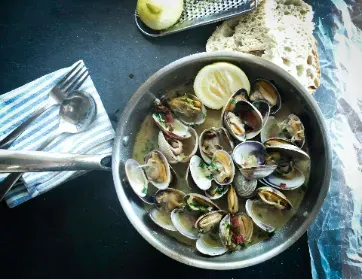

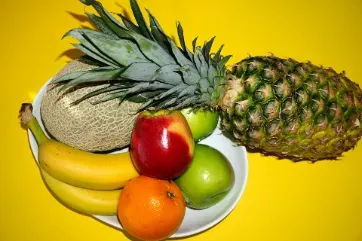
Wild-Caught Seafood | Pasture raised Poultry & Omega-3 Eggs | In Season Fruits
Freshly caught seafood is a great source of protein, vitamin D, and omega-3 fatty acids. I prefer self-caught, but that isn't a guaranteed source.
Pasture-raised poultry can be a great source of protein. Eat the yolks and limit the whites!
In-season fruit is a good source of fiber, vitamins and polyphenols, but it also contains a high level of sugar. So be careful of how much you eat; they are nature's candy!
(Okay to eat a limited quantity per meal.)
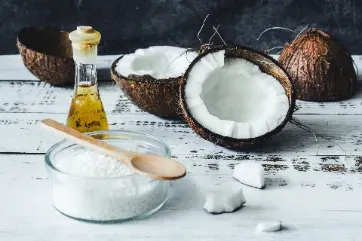

Nuts (not legumes), Approved Flour Alternatives, Sorghum and Millet
Nuts are a great source of health fats, polyphenols, and fiber and are okay to eat every day, but in limited amounts.(Legumes like peanuts and cashews should be avoided.)
Sorghum is an awesome lectin-free, gluten-free flour alternative and millet is packed with important minerals like magnesium, potassium, phosphorus and zinc.
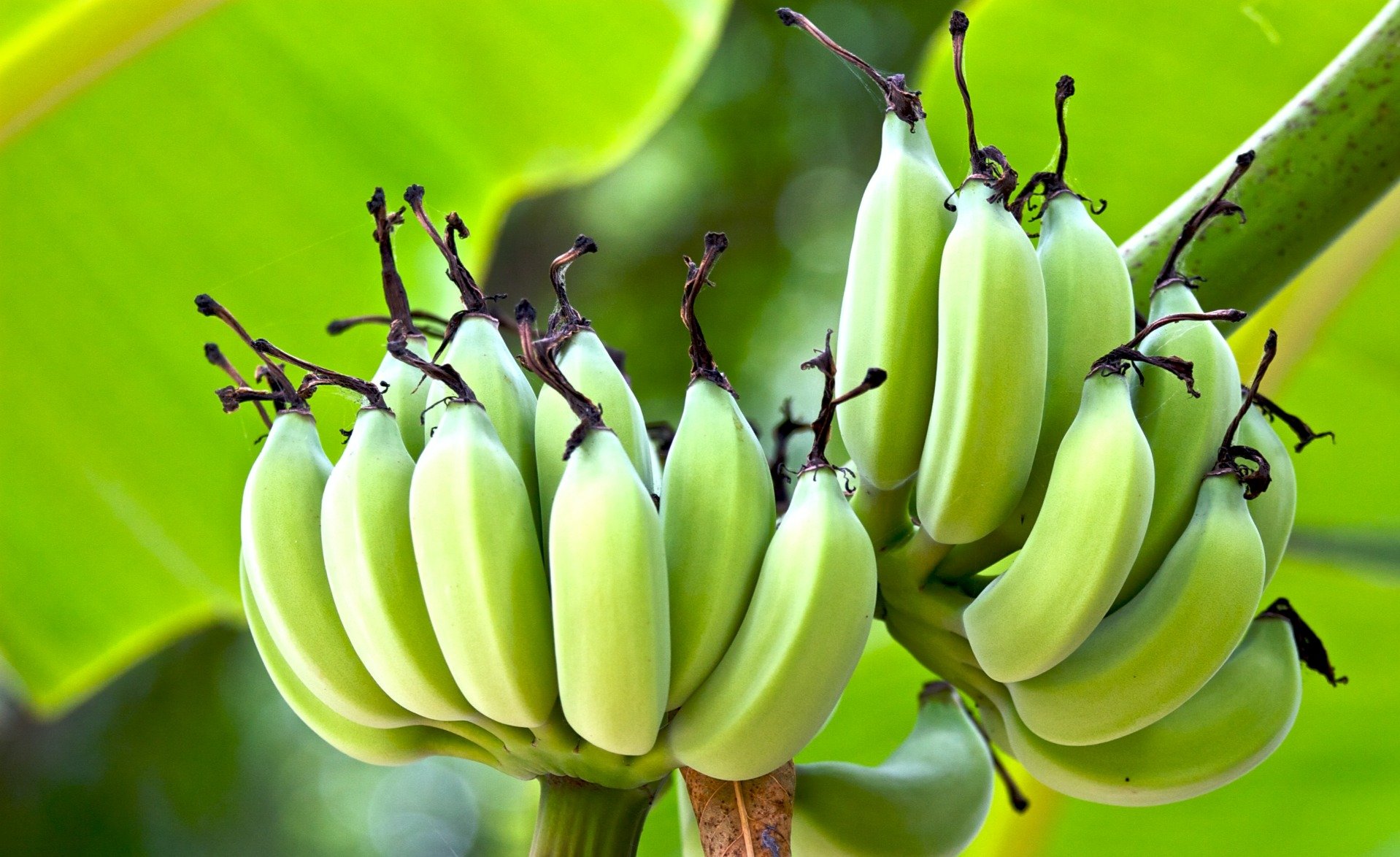
Green bananas, yams, sweet potatoes, yucca, green plantains, cassava, taro root, tapioca, and jicama are all resistant starches that are rich in vitamins and minerals.
(Okay to eat a limited quantity per meal.)

Don't Eat Anything - Skip One, Two, or a Whole Day's Meals!
Going without food from time to time gives your body a chance to process and digest. It also naturally guides you to reduce your overall caloric intake.
Your body is designed not only to withstand periods without food, but to actually thrive because of them.
(Fasting options are in The Plant Paradox Meal Plan.)

Approved Fats, Leafy and Cruciferous Vegetables.
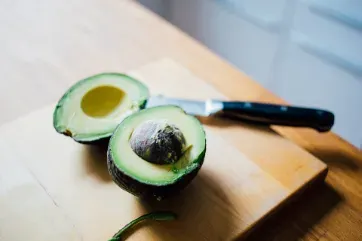
The best sources of healthy fats are extra-virgin olive oil, olives, avocados, avocado oil, coconut milk, egg yolks from pastured chicken, walnut oil, MCT oil, perilla oil, macadamia oil, algae oil, fish oil or algae-based DHA.
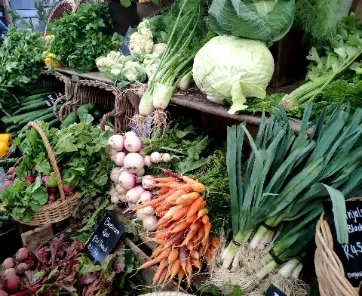
Green leafy vegetables are so good for you it's nearly impossible to eat more than you need. However, nearly everyone's diet lacks greens.
Vegetables are excellent sources of prebiotic fiber, vitamins and polyphenols, and should comprise the majority of your meals. Cruciferous vegetables are especially nutritious and offer a multitude of health benefits.
(Should form the foundation of your daily food intake.)
Dr Gundry Supplements
Okay, why do we need supplements when following the nutritious Gundry diet?
Are we just making expensive urine?
Good question, and one that he, historically, believed to be true. Then once again science proved to him that due to modern farming practices, such as the use of pesticides, herbicides, and chemical fertilizers, soil has been depleted of necessary nutrients and friendly bacterial populations. The quality of our soil means we aren’t able to consume the quantities of nutrients and micronutrients in YES foods to fulfill our daily requirements.
A good example is Vitamin D, the sunshine vitamin. With the use of sunscreens, general sun avoidance and winter indoor living, we are deficient. Vitamin D is vital for our immune system, calcium absorption for our bones, anti-inflammatory effects in the lungs, blood pressure reduction, a mood boost, hunger suppression, and reduced cognitive impairment in older men and women.
Dr Gundry's supplements and products are the result of his research into our bodies' requirements and sourcing ingredients rich in the required elements. Mixing them together into a formula to provide the best solution for specific requirements.
The Pros of the Steven Gundry Diet
-
SCIENCE-BASED
I don't understand all the science, but he sets out to explain, in mostly layman’s terms, why he has come to his conclusions, then provides solutions in the form of The Plant Paradox program, along with the Plant Paradox Cookbook.
-
BOOST the IMMUNE SYSTEM
There is a strong focus on boosting the immune system by avoiding foods that harm our antibodies and promoting those that strengthen it. I still catch colds, but thankfully, they are less severe.
-
RESEARCH FOCUSED
He is research focused so when a new discovery is made that impacts what he has previously promoted, he shares it with you. He was super strict on lectin avoidance but now places more emphasis on feeding the good gut bacteria, which works well for me.
-
ADAPTABLE
The program is adaptable to your current state of health, but if you are suffering from a chronic condition, stay away from the NO-list foods. Your body will soon let you know if you have reintroduced a food that it cannot tolerate. I can only take a small amount of sourdough bread; red beans are a big no.
-
RANGE OF PLANT PARADOX COOKBOOKS
Besides providing the Plant Paradox program with the YES and NO food lists plus recipes, he has cookbooks in the quick and easy category, plus family-oriented.
They have been designed in conjunction with a chef to include ingredients that are readily available, nutritious (obviously), and tasty. I found them easy to read and uncomplicated.
-
LONGEVITY PARADOX FOOD LIST
As well as fine-tuning diets that were, in the main, conforming or correcting those causing chronic health issues, there is a strong focus on longevity. He has published The Longevity Paradox, dedicated to enjoying good health and dying young at a ripe old age, which sits well with me, and I see it when making comparisons to contemporaries of my senior age.
The Cons
There is a strong American focus, so if you live outside the USA, some of the ingredients, medicines, and government departments mentioned may be unfamiliar or irrelevant.
Not a major issue; just apply a filter.
My Dr Steven Gundry Reviews Conclusion
For me, Dr Steven Gundry, MD, provides a science-based nutritional road map that I can easily follow.
These are the 4 steps I applied to lose those extra pounds, gain confidence in my ability to ward off viruses and diseases, plus have a firm belief that I will die young at a ripe old age.
-
Gained Science-Based Nutritional Knowledge – The importance of Gut Health, the role of lectins.
-
Studied The Plant Paradox Program - All 3 Phases with YES & NO food lists and recipes.
-
Applied the diet as it fitted my current state of health.
-
Came to understand that I was still nutrient deficient and added diet supplements to our food budget.
"To follow the teachings of Dr Steven Gundry MD is for anyone who is interested in being as healthy as nature designed us to be."
.png)